
There's a version of this post that pretends AI isn't coming for web design. This isn't that post.
Here's the honest truth, because honest is the only way I know how to do this: you can now sit down with a few AI tools and have a website by dinner. Pages, a contact form, a colour scheme, a logo of sorts. A couple of years ago that took weeks and a real budget. Now it takes an afternoon and a credit card. Anyone telling you otherwise is selling you something.
So if a machine can do it in an afternoon, why would you ever pay a person to do it?
Fair question. Let me answer it straight.
"Good enough" is about to be everywhere
When a tool makes something fast and cheap, it doesn't make that thing special. It makes it ordinary.
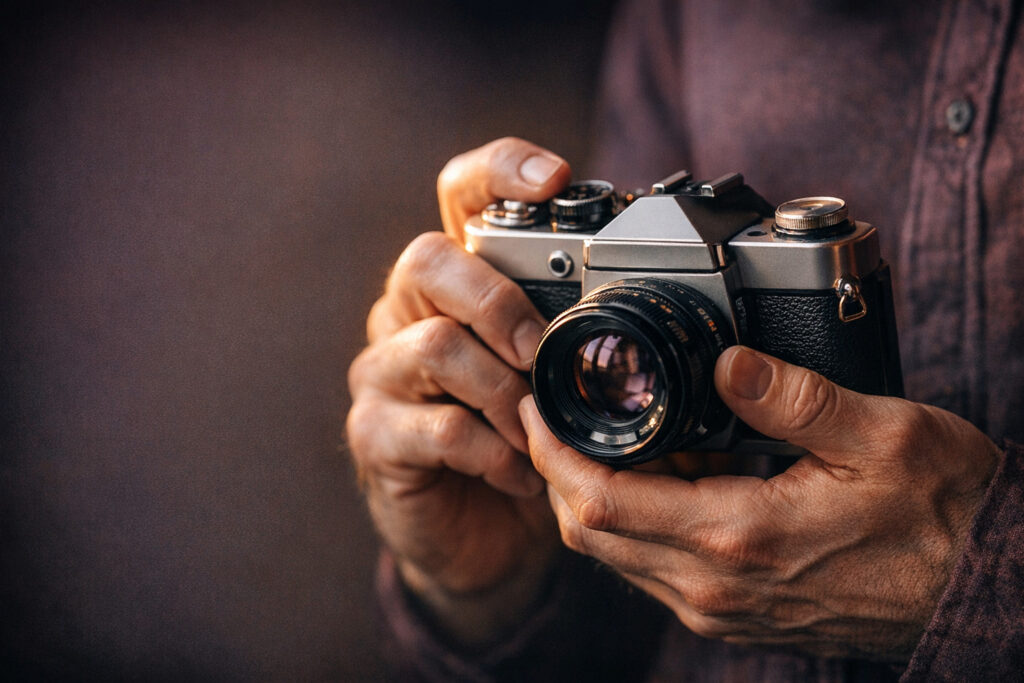
Think about what happened when everyone got a good camera in their pocket. It didn't put photographers out of work. It just made the gap between a snapshot and an actual photograph more obvious, not less. The world filled up with fine, and "fine" stopped being worth noticing.
That's about to happen to websites. The bar to look acceptable online is dropping to the floor — which is great. But the bar to look like you, to stand out from the other ten businesses in your category who all used the same tool the same afternoon, is going up. When everyone's site is "good enough," good enough is invisible.
The thing that makes a customer stop, trust you, and pick up the phone was never the template. It was the judgment behind it.
The part the machine quietly skips
A website isn't pixels. It's a few hundred small decisions wearing a coat of paint.
What do you lead with? What do you cut? Who is this actually for — and just as important, who is it not for? What does a customer need to feel in the first five seconds, before they've read a word? Why does someone choose you over the shop down the street?
AI is genuinely good at producing. It's not good at deciding — because deciding well depends on things that aren't written down anywhere. Your specific customers. Your neighbourhood. The reason regulars keep coming back. The thing you're quietly great at that you've never managed to put into words.
None of that lives in an AI's training data. It lives in a conversation. That's not a knock on the technology — it's just not what the technology is for.
And then there's the part after launch
A site is never really "done." The contact form quietly stops sending and you don't find out for three weeks. Something breaks the night before your busiest day. A page that worked fine on a laptop falls apart on a phone.
A tool doesn't notice, and it definitely doesn't call you. A person does. That's not a feature you can download — it's someone being on the hook for the outcome, not just the file.
Here's the part nobody tells you: this is good news for you
It's easy to read all this as a threat. It isn't. For a small business, it's an opening.
Looking professional online is cheaper than it has ever been. The boring, expensive part — just getting a credible presence stood up — has gotten faster and lighter. Which means the budget you used to burn on "we just need to exist on the internet" can now go toward the part that actually sets you apart.
The value has moved. It used to live in production — the sheer effort of making the thing. Now it lives in point of view: knowing what to say, what to leave out, and how to sound like nobody else. A real human perspective — yours — just became the scarce, valuable thing. The website is no longer the hard part. Being clearly, recognizably you is.
So the smart move isn't to skip the human. It's to spend less on the commodity part, and more on the part that's genuinely you.
What to actually look for — whether you hire me or anyone
If you take nothing else from this, take this. When you're deciding who to trust with how your business shows up online, look for:
- Someone who asks about your business before they talk about design.
- Someone willing to tell you what to cut, not just what to add.
- Fixed, upfront pricing — so you're never afraid to ask a question because you don't know what it'll cost.
- A real person who's still around after launch, not just at the sale.
- Someone who uses the fast tools openly and doesn't pretend they don't — but keeps the judgment, the taste, and the final call in human hands.
That last one matters most. The future of this work isn't human or AI. It's a human using the tools well.
The honest bottom line
The robots can make a website now. Genuinely. I'm not going to insult you by pretending otherwise.
What they can't do is sit across from you, understand what makes your business worth choosing, make the dozens of small calls that turn a generic page into yours, and stand behind it when it counts. That's the work. The website is just where it ends up.
That's how I work, for what it's worth. I'll use whatever's fastest to get you there — no precious attachment to doing things the slow way. But the decisions, the point of view, and the person you actually call: those are mine, and they're what you're really paying for.